เว็บพนันแตกง่าย จ่ายไม่อั้นเว็บแท้จาก USA ไม่ต้องทำเทิร์น
สำหรับผู้ที่กำลังมองหาเว็บพนันที่มีความน่าเชื่อใจและมีการจ่ายเงินรางวัลที่ไม่มีการจำกัด ไม่ต้องกังวลอีกต่อไป เว็บพนันแท้จาก USA สามารถตอบสนองความต้องการของคุณได้ เพื่อให้คุณสามารถเพลินใจไปกับการเล่นเกมและการชนะเงินรางวัลได้อย่างง่ายดาย โดยไม่ต้องต้องทำเทิร์นหรือมีข้อกำหนดเพิ่มเติมใดๆอย่างไรก็ตาม ความน่าเชื่อใจและปลอดภัยของเว็บพนันแท้จาก USA จะให้คุณมั่นใจว่าการเล่นเกมไม่เพียงแต่แต่สนุกและตื่นเต้น แต่ยังมีการรับเงินรางวัลอย่างไม่มีข้อจำกัด ทำให้คุณสามารถเพลิดเพลินใจไปกับการเล่นได้อย่างอิสระและมั่นใจในการได้รับผลตอบแทนที่ทันสมัยและยอดเยี่ยมจากเว็บพนันแท้จาก USA ที่มีการจ่ายเงินที่รวดเร็วทันใจ
ตามที่เจ้าหน้าที่กล่าวว่าสิ่งพวกนี้ ได้แก่ Robin Schnepp ตัวแทนจำหน่ายที่คาสิโนและผู้บังคับบัญชา Anthony Laushเจ้าหน้าที่กล่าวว่าชายทั้งสองได้ช่วยผู้เล่นชนะบ่อยมาก นำมาซึ่งการทำให้ชนะอย่างมีนัยสำคัญ
ระยะเวลาของการแสดงความความเห็นของเดวิสนั้นน่าเสียดายเนื่องจากมีนาคมเป็นเดือนการรับรู้เรื่องปัญหาการพนันในสหรัฐอเมริกาความคิดเริ่มนี้มีจุดมุ่งหมายเพื่อกระตุ้นให้ผู้คนขอความช่วยเหลือเกี่ยวกับปัญหาที่เกี่ยวข้องกับการพนันโดยมีธีมในปีนี้คือ Every Story Matters
Marco Drago เสริมว่าเขามีความสุขที่ได้มีความเห็นว่า IGT เติบโตมากแค่ไหนในช่วงหลายปีที่ผ่านมาเขาขอบคุณเพื่อนร่วมงานของเขาสำหรับเวลาที่พวกเขาด้วยกันและกล่าวว่าเขามั่นใจว่าบริษัทกำลังเติบโตมากขึ้น
Victor Arias รองประธานาธิบดี LaTam ที่ Pragmatic Play ลงรายละเอียดเกี่ยวกับประสบการณ์ของเขาในการจัดแสดงในงานนี้ “สำหรับฉันมันเป็นความสุขเสมอที่ได้เข้าร่วมกิจกรรมที่จัดโดย SBC และครั้งนี้ในริโอก็ไม่มีข้อยกเว้นฉันออกไปพอใจมากเนื่องจากว่าฉันสามารถเจอกับเพื่อนและเพื่อนร่วมงานและวิเคราะห์ความเป็นไปได้ที่ตลาดที่เกี่ยวข้องกับบราซิลไม่ต้องสงสัยเลยว่าโอกาสนี้เป็นพื้นฐานสำหรับ Pragmatic Play ซึ่งกำลังประสบกับการเติบโตอย่างตลอดในประเทศ วันนี้มีความเข้มข้นอย่างยิ่ง ด้วยข้อตกลงเชิงพาณิชย์ที่สำคัญและสแตนด์ที่เต็มไปด้วยผู้เลิศชมที่เพลิดเพลินเจริญใจกับสิ่งแวดล้อมและประสบการณ์ที่ Pragmatic Play มอบให้”
ภาคผู้ประกอบการได้มีส่วนร่วมอย่างโดดเด่น ซึ่งประกอบด้วย 30% ของจำนวนผู้เข้าร่วมทั้งหมด จากผู้เล่นหลัก ได้แก่ Aposta Ganha, Betano, Betsson, Esportes da Sorte, EstrelaBet, Galera.Bet, Rei do Pitaco, Superbet และ Vai De Bob เป็นต้นข้อเสนอแนะที่รวบรวมจากการสำรวจหลังเหตุการณ์เปิดเผยว่า NPS ที่ได้รับการยกย่องถึง 62 คนในกลุ่มผู้ประกอบการ ซึ่งสะท้อนให้เห็นถึงการตอบรับในเชิงบวกของกิจกรรมจากกลุ่มนี้ยิ่งไปกว่านี้ ผู้ประกอบการที่หลากหลายมีส่วนร่วมในฐานะผู้แสดงผลิตภัณฑ์ ซึ่งบ่งบ่งบอกถึงพวกเขา แนวทางเชิงรุกในการเจาะตลาด
“การจับเวลาไม่ได้ไร้ที่ติ การเข้าสู่บราซิลเมื่อเร็วๆนี้ในเดือนธันวาคมใส่คล้องกับเหตุการณ์นี้ได้อย่างสมบูรณ์แบบSBC Summit Rio นำเสนอโอกาสพิเศษส่วนตัวเราในการใช้ประโยชน์จากโมเมนตัมที่มีอยู่และสร้างการเชื่อมต่อที่สำคัญด้วยผู้เข้าร่วมที่โดดเด่นและเซสชั่นเครือข่ายอันล้ำค่ากับบุคคลที่โดดเด่นในภาคบราซิล งานนี้จัดแสดงในทุกด้านสำหรับ บริษัท ในยุโรปที่เผชิญภัยในดินแดนใหม่นี้ความรู้ที่ได้รับและความสมาคมที่สร้างขึ้นด้วย บริษัท ในเครือและซัพพลายเออร์จะเป็นสิ่งสำคัญในการกำหนดกลยุทธ์ของเรา” Alex Fonseca CEO บราซิล Superbet กล่าว
Kibort ยอมรับว่าการเปิดสปอร์ตบุ๊ค DraftKings ที่ Wrigley Field กลายเป็นความจริงด้วย ความร่วมมืออย่างใกล้ชิดกับคณะกรรมการเกมอิลลินอยส์, Levy ผู้จัดจำหน่ายอาหารและเครื่องดื่มชั้นนำสำหรับสปอร์ตบุ๊ค รวมทั้ง เดอะ ชิคาโก คับส์“ด้วยกันพวกเราสามารถทำได้ มอบวิธีที่ปลอดภัยและได้รับการควบคุมให้แก่ลูกค้า เพื่อเข้าร่วมการดำเนินการ ในขณะที่เพลิดเพลินไปกับพื้นที่ที่น่าทึ่งในการชมกีฬาสด” เขาอธิบายโดยสรุป
เมื่อเร็วๆนี้ DraftKings ได้ประกาศเปิดตัว My Stat Sheet ซึ่งเป็นเครื่องมือที่เป็นนวัตกรรมใหม่ที่ ส่งเสริมการพนันอย่างมีส่วน.การเปิดตัวได้รับการยืนยันเมื่อสัปดาห์ที่แล้วโดย บริษัท เปิดเผยว่าเครื่องมือนี้ช่วยให้ลูกค้าสามารถเข้าถึงได้ การเล่นเกมและข้อมูลเชิงลึกที่กำหนดเอง.ในท้ายที่สุด My Stat Sheet พยายามช่วยผู้บริโภคติดตามกิจกรรมการพนันและตัดสินใจอย่างมีข้อมูล
“คำแนะนำเพื่อสนับสนุนระบบใบอนุญาตและภาษีสำหรับผู้ประกอบการเอกชนและการสร้างหน่วยงานกำกับดูแลอิสระได้รับการออกมาตั้งแต่ปี 2014 โดยยิ่งไปกว่านั้นโดยคณะทำงานเกี่ยวกับการเล่นเกมออนไลน์ตั้งแต่นั้นมา ดร. ซิลเวีย ไครูซ ประธานวิจัยด้านการศึกษาการพนันที่มหาวิทยาลัยคอนคอร์เดีย Institut national de santé publique du Québec (INSPQ) และ Direction régionale de santé publique de Montréal ได้แนะนำให้สร้างหน่วยงานเพื่อดูแลการเล่นเกมทั้งหมดในควิเบก รวมถึงของโลโต-ควีเบก
“พวกเรามุ่งมั่นที่จะเป็นผู้นำอุตสาหกรรมในการส่งเสริมการเล่นเกมที่มีความรับผิดชอบ และพวกเราภูมิใจที่ได้ทำแบบนี้ในความร่วมมือกับหนึ่งในผู้เล่นที่ยิ่งใหญ่ที่สุดของฮอกกี้” Richard Taylor ผู้อำนวยการฝ่ายการพนันที่รับผิดชอบของ BetMGM กล่าวในแถลงการณ์“ในขณะที่อุตสาหกรรมการพนันกีฬาที่ถูกกฎหมายและคาสิโนออนไลน์ยังคงเติบโตและพัฒนาอย่างสม่ำเสมอเรายังคงมุ่งมั่นที่จะเตรียมพร้อมข้อมูลเครื่องมือและทรัพยากรผู้เล่นเพื่อช่วยทำให้พวกเขาเล่นอย่างมีความรับผิดชอบและยืนยง”
พิจารณาผลกระทบเปรียบเทียบของกฎระเบียบปฏิบัติตลาดที่จำกัดและเสรีนิยมของผลิตภัณฑ์เดิมพันกีฬาเกี่ยวกับการคุ้มครองผู้บริโภคการกำกับดูแลด้านกฎที่ต้องปฏิบัติรายได้ที่ต้องเสียภาษีความสมบูรณ์ของตลาดและความสมบูรณ์ของกีฬามันมาจากข้อมูลผู้ประกอบการพนันกีฬา ข้อมูลการแจ้งเตือน IBIA และข้อมูลตลาดของ H2 และได้รับการพัฒนาโดยความร่วมมือกับ Instituto Brasileiro de Jogo Responsável สมาคมการเล่นเกมแคนาดาสมาคมการพนันออนไลน์เนเธอร์แลนด์และ Responsible การเดิมพันออสเตรเลีย
และคำตักเตือนกับ X เกี่ยวกับโฆษณาที่มีผลิตภัณฑ์การพนันที่ผิดกฎหมายประหลาดใจประเทศยังคงมองเห็นโฆษณาดังกล่าวปรากฏบนแพลตฟอร์มยังคงอยู่
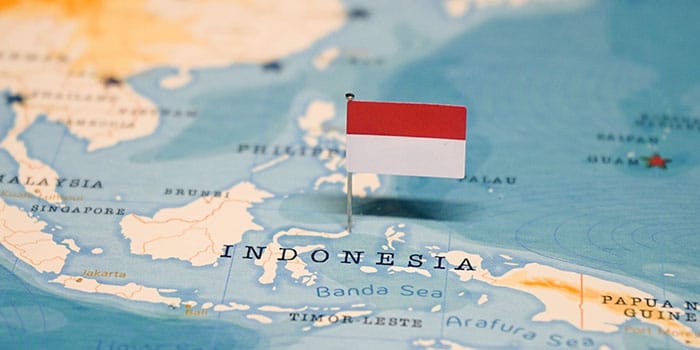
ได้ผลให้ กระทรวงการสื่อสารและเทคโนโลยีสารสนเทศของอินโดนีเซีย เรียกผู้แทน X ในวันอังคารเพื่อปรึกษาขอคำแนะนำเกี่ยวกับเรื่องนี้ในระหว่างการแถลงข่าวสาร เซมูเอล อาบริจานี ปังเกราปันผู้อำนวยการทั่วไปฝ่ายประยุกต์ใช้สารสนเทศที่กระทรวงอธิบายว่าทีมของเขากำลังพยายามปรับแต่งกระบวนการระบุและลบเนื้อหาการพนันที่ผิดกฎหมาย
แม้ว่ากระทรวงจะแจ้งเตือนอยู่แล้วทุกคราวที่ระบุเนื้อหาดังกล่าว แต่การต่อสู้ต่อเนื่องมักจะเมื่อยล้า Pangerapan ยอมรับผู้อำนวยการทั่วๆไปแนะนำว่าระบบอัตโนมัติจะสามารถแก้ปัญหานี้ได้ และขอให้ X ทำมากขึ้นเพื่อป้องกันการโฆษณาการพนันที่ผิดกฎหมาย
อินโดนีเซียกำลังพยายามทำให้เนื้อหาการพนันไม่สะดวก
อินโดนีเซียกังวลเกี่ยวกับการแพร่กระจายของโฆษณาการพนันที่ผิดกฎหมายมาระยะหนึ่งโดยชี้ให้เห็นว่าโฆษณาบน X มักเกี่ยวข้องกับคนดังทำให้ลูกค้าดึงดูดมากได้ผลให้ผู้ใช้ X จะสัมผัสกับเนื้อหาดังกล่าวถึงแม้ว่าพวกเขาจะไม่ค้นหาหรือไม่ติดตามบัญชีที่ส่งเสริมการพนันออนไลน์
อินโดนีเซียประสบความสำเร็จบางส่วนในการกำจัดเนื้อหาการพนันที่ผิดกฎหมายหลังจากการตักเตือนก่อนหน้าที่ผ่านมาของรัฐมนตรี Budi Arie Meta ลบเนื้อหาการพนันออนไลน์จำนวนมากและโฆษณาการพนันที่ผิดกฎหมายหลายอย่าง
Christopher Hadnagy ผู้ก่อตั้งและซีอีโอของ Social-Engineer LLC กล่าวคุยกับกลุ่มผู้บริหารการเฝ้าระวังและการรักษาความปลอดภัยของคาสิโนในวันพุธในการประชุมการคุ้มครองเกมโลกในลาสเวกัสการชุมนุมมีเสียงดังเกี่ยวกับการโจมตีทางไซเบอร์ที่รายงานในอาทิตย์นี้ที่ Casino Del Sol ในทูซอนซึ่งสล็อตและระบบคอมพิวเตอร์อื่นๆได้รับผลกระทบ
ชายคนหนึ่งที่อ้างถึงว่าเป็นเจ้าของร่วมของ Circa โน้มน้าวให้บุคลากรคดีคาสิโนแจกจ่ายเงินจำนวนมากที่มีมูลค่า 1.17 ล้านดอลลาร์เพื่อจ่ายค่าอุปกรณ์ป้องกันอัคคีภัยคดีนี้ก่อให้เกิดการจับกุมเอริค กูเทียร์เรซ มาร์ติเนซวัย 23 ปีในข้อหาขโมย
วิลลี อัลลิสัน ซีอีโอและผู้ก่อตั้ง World Game Protection กล่าวว่ากรณีที่รายงานได้หกกรณีเกี่ยวข้องกับโครงการดังกล่าวและความพยายามประมาณ 1,000 ครั้งที่ไม่ประสบความสำเร็จ“คาสิโนส่วนใหญ่มีการควบคุมอยู่”อัลลิสันกล่าวว่าเขายังคงตกใจว่ามันอาจเกิดขึ้นได้อย่างไรในกลุ่มทั้งหก
Hadnagy กล่าวว่าเทคโนโลยีที่มีอยู่ในขณะนี้ทำให้นักหลอกลวงและนักแสดงภัยคุกคามในการใช้เว็บไซต์เพื่อให้ความทราบซึ่งกันและกันได้ง่ายขึ้นซอฟต์แวร์ที่สร้างโดย AI สามารถลบสำเนียงจากต่างประเทศและทำให้ฟังดูเหมือนกล่าวภาษาอังกฤษที่สมบูรณ์แบบ
AI สามารถใช้สร้างวิดีโอและเสียงเลียนแบบบุคคลได้เช่นเดียวกับที่ทำในฮ่องกงซึ่งมีการส่งต่อผู้หลอกลวง 25 ล้านดอลลาร์หลังจากพนักงานมีความรู้สึกว่าเขาเห็นเจ้านายของเขาในการโทร Zoom
Michael Daly ซีอีโอของ Catena Media พันธมิตรการพนัน ได้ลาออกและมอบหน้าที่ให้กับซีอีโอชั่วคราว Pierre Cadena ซึ่งเดิมเป็นรองประธานฝ่ายกลยุทธ์องค์กรของ บริษัท แต่จะสนับสนุน บริษัท ในขณะที่แสวงหาซีอีโอถาวร
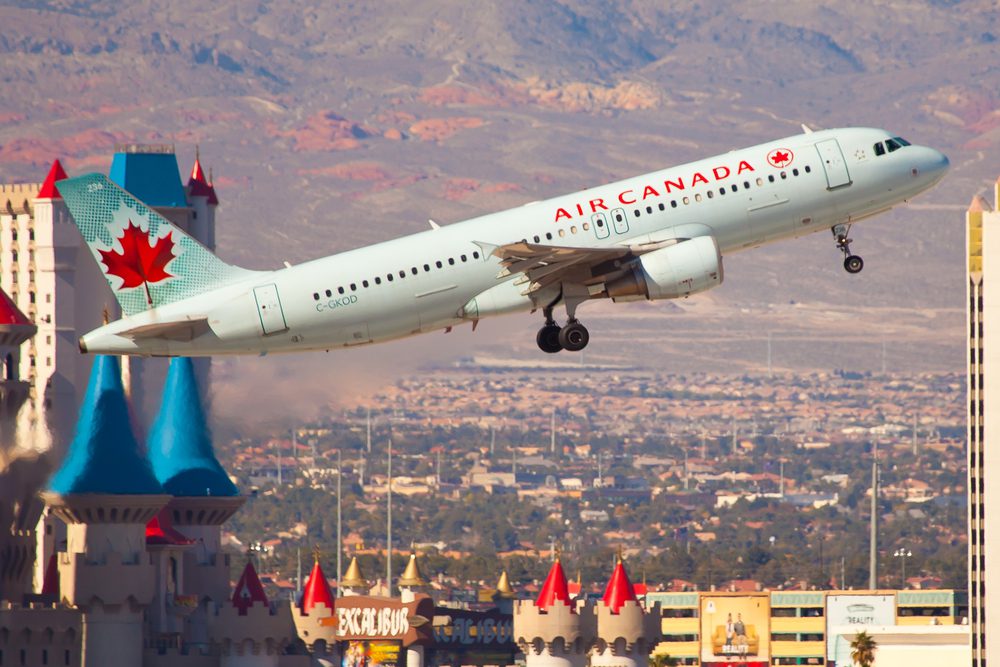
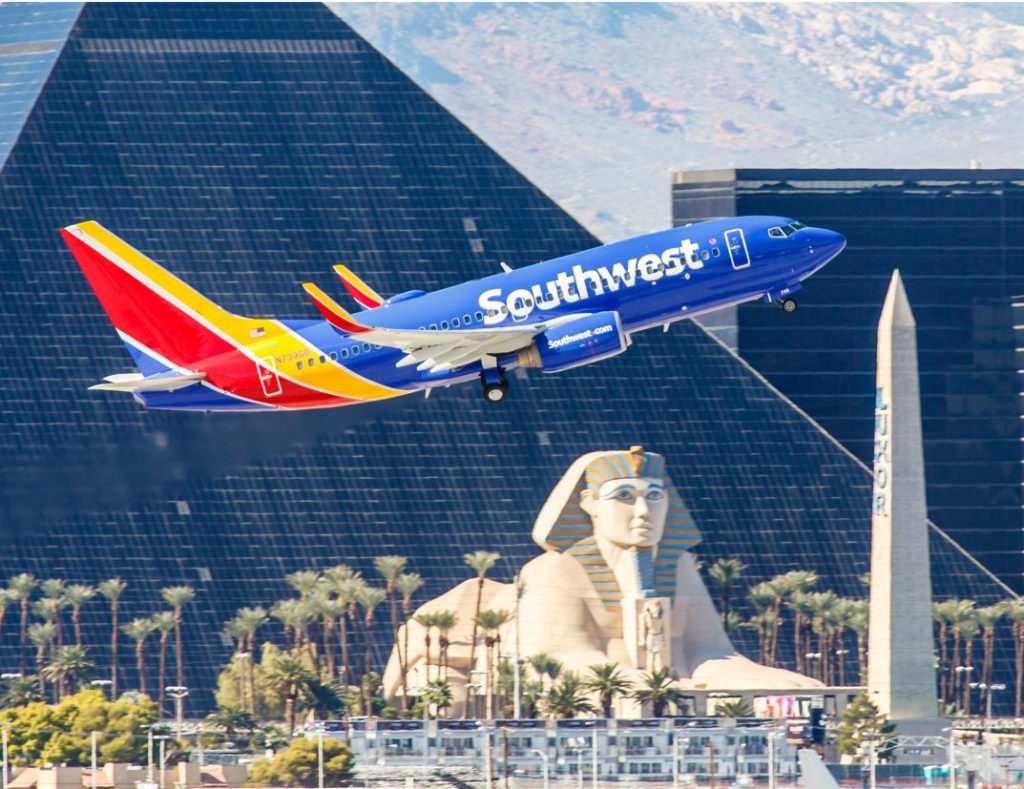
Joel Van Over ผู้อำนวยการอาวุโสของ Ailevon Pacific Aviation Consulting ที่ขอคำแนะนำด้านบริการทางอากาศของ LVCVA บอกคณะกรรมการของ LVCVA ว่าเดือนพฤศจิกายนและธันวาคมไม่ใช่เดือนที่แข็งแกร่งที่สุดสำหรับการให้บริการทางอากาศไปยังลาสเวกัส และกิจกรรมต่างๆดังเช่นว่า การแข่งขันฟอร์มูลาวันในเดือนพฤศจิกายน, National Finals Rodeo และ CES ในเดือนมกราคมสร้างโมเมนตัมให้กับตลาดจากมุมมองการจราจรทางอากาศที่มุ่งสู่ปี 2024
“มีโมเมนตัมมากขึ้นในฤดูหนาว” Van Over กล่าว“ฉันทราบดีว่ามันจบลงด้วยการแข่งขันซูเปอร์โบวล์ และนั่นเป็นเรื่องที่ค่อนข้างน่าทึ่งสามารถบอกได้มากมายเกี่ยวกับสิ่งที่ลาสเวกัสได้ทำเพื่อเติมเต็มห้องของโรงแรมและช่วยพันธมิตรสายการบินของพวกเราห้าเดือนที่ผ่านมามันจะดีมากกว่าไม่ได้”
การเข้าร่วมงาน CES ซึ่งดึงดูดผู้ยอดเยี่ยมชมจากทั่วโลกมากถึง 135,000 คนในปีนี้ 40% จากสถานที่ต่างประเทศ
“แขกต่างชาติจำนวนมากมาที่เมืองสำหรับ CES” Van Over กล่าว“สายการบินเพิ่ม 45 เที่ยวบินเราได้รับข้อระบุมากมายจากสายการบินว่าพวกเขารู้สึกว่ามันไม่เพียงแต่พอและยังมีอีกมากมายที่จะมาในปีหน้าCES ยังคงเติบโตอย่างต่อเนื่องมันมีขนาดใหญ่ในปี 2019 ก่อนโควิดมันกลับมาและเสียงคำรามแล้วองค์ประกอบระหว่างประเทศนั้นมีขนาดใหญ่และสายการบินชัดเจนให้ทราบ”
Van Over กล่าวว่าการบินไปลาสเวกัสไม่เคยง่ายกว่าในตอนนี้และจากสถานที่ใหม่เขากล่าวว่า Harry Reid มีที่นั่งมากกว่า 3.4 ล้านที่นั่งมากกว่าในปี 2022 ประมาณ 9,300 ที่นั่งในแต่ละวันซึ่งช่วยสนับสนุนอีเวนต์ตัวอย่างเช่น F1, Super Bowl และ CES“เมื่อคุณเชื่อมต่อกับสถานที่จำนวนมากและที่นั่งจำนวนมาก นั่นจะจ่ายเงินเงินปันผลจากจำนวนคนที่ผ่านไป”
จากข้อมูลของ Van Over ลาสเวกัสกำลังสร้างสถิติผู้โดยสารและรายอื่นๆในขณะที่ลอสแองเจลิสและซานฟรานซิสโกยังไม่ฟื้นตัวจากระดับ 2019 Van Over กล่าวTSA คัดกรองผู้โดยสารมากขึ้นในสนามบินเพียงแค่ 5 แห่งลาสเวกัสมีเครื่องบินเคลื่อนไหวมากที่สุดเป็นอันดับแปดในประเทศและที่นั่งมากที่สุดเป็นอันดับเจ็ดที่มาและออกไป
Steve Hill ซีอีโอ LVCVA กล่าวว่าจากมุมมองระหว่างประเทศ พวกเขามุ่งมั่นที่จะเพิ่มกำลังการผลิตและเชื่อมต่อกับส่วนต่างๆของโลกเจ้าหน้าที่การท่องเที่ยวและผู้สนับสนุนการแข่งขันนำรางวัลลาสเวกัสกรังด์ปรีซ์มาที่แถบเพื่อช่วยทำการตลาดปลายทางให้กับผู้ชมทั่วโลก
Oliver Lovat ชาวสก็อตต์ ซีอีโอของ Denstone Group บอกกับ CDC Gaming Reports ว่าเขาติดตามจำนวนผู้เยี่ยมชมระหว่างประเทศและประทับใจกับการเติบโตของพวกเขาในปี 2023 เขาคาดว่าพวกเขาจะกลับมาเป็นปกติในปี 2024เช่นเดียวกับ Van Over Lovat ตั้งข้อสังเกตว่าผู้มาเยี่ยมจากต่างประเทศจะอยู่ได้นานขึ้นและใช้เงินมากขึ้น
“มีการเติบโตในตลาดต่างประเทศอย่างแน่นอน” Lovat กล่าว“กิจกรรมที่มีชื่อเสียงบางอย่าง ดังเช่น Formula 1 และการเปิดตัวของ Sphere โดยเฉพาะอย่างยิ่งอย่างยิ่ง U2 ในฐานะศิลปินระดับนานาชาติที่เล่นอยู่ที่นั่น ได้นำมายอดเยี่ยมชมนานาชาติอย่างแน่นอนคุณยังมี Kylie Minogue ที่ The Venetian และ Adele ที่วังซีซาร์ด้วย”
“ตั้งแต่ประสบการณ์คาสิโนแบบดั้งเดิมไปจนถึงตัวเลือกออนไลน์ ความต้องการเกมของคนแก่คนประเทศอเมริกาอยู่ในระดับสูงสุดตลอดกาล” Bill Miller ประธานและซีอีโอของสมาคมกล่าว
ในระหว่างการประชุม ผู้ถือหุ้นยังมอบเงินชดเชยที่อาจจ่ายหรือจ่ายให้กับเจ้าหน้าที่บริหารเดี๋ยวนี้ของ GAN ที่เกี่ยวข้องกับข้อตกลงการควบรวมกิจการ
ผู้ถือหุ้นบางคนไม่มองเห็นด้วยกับข้อตกลง
แต่ไม่ใช่ทุกคนที่อยู่บนเรือ โจเซฟ แซปเปียซึ่งเป็นหนึ่งในผู้ถือหุ้นรายใหญ่ที่สุดของ GAN เพิ่งยื่นฟ้องคดีต่อบริษัทโดยกล่าวกล่าวหาทำให้ผู้ถือหุ้นเข้าใจผิดคดีถูกยื่นต่อศาลเขตสหรัฐอเมริกาสำหรับเขตภาคใต้ของนิวยอร์กในเดือนมกราคม
จากข้อมูลของ Zappia GAN ต้องใจหลบซ่อนข้อมูลสำคัญเกี่ยวกับความมีความขัดแย้งทางผลประโยชน์ที่อาจเกิดขึ้นผู้ถือหุ้นที่ได้รับความเสียหายยังกล่าวถึงว่าในบางโอกาส GAN ได้หยุดข้อมูลสำคัญที่สำคัญคดีกล่าวหาว่าความโปร่งใสของคณะกรรมการที่เกี่ยวข้องกับข้อตกลงนั้นเป็นที่สงสัยโดยรวม
นอกจากนี้ Zappia ยังไม่พอใจที่ข้อเสนอครั้งแรกของ Sega Sammy ลดลงจาก 2.51 ดอลลาร์ต่อหุ้นเป็น $1.97 ต่อหุ้นผู้ถือหุ้นที่ไม่พอใจและผู้สนับสนุนของเขามั่นใจว่า GAN ก่อให้เกิดอันตรายอย่างมีนัยสำคัญต่อผู้ถือหุ้น
GAN ไม่ยอมรับข้อกล่าวหาของ Zappia โดยเน้นความมุ่งมั่นที่จะรักษามาตรฐานทางกฎหมายสูงตามที่บริษัทกล่าวว่า การดำเนินการทั้งหมดที่เกี่ยวข้องกับการควบรวมกิจการที่แนะนำนั้นดำเนินการตามขั้นตอนที่กำหนด
ข้อตกลงคาดว่าจะปิดภายในต้นปี 2025
ไม่ว่าในกรณีใดการเข้าซื้อกิจการ GAN ของ Sega Sammy คาดว่าจะปิดในปลายปี 2024 หรือต้นปี 2025ข้อตกลงยังคงอยู่ภายใต้เงื่อนไขการปิดตามปกติและการอนุมัติตามกฎระเบียบ
Richard Carter ประธานเจ้าหน้าที่บริหารฝ่ายแพลตฟอร์มและสปอร์ตบุ๊คที่ GiG, พูดถึงการจ้างแรงงานที่ยอดเยี่ยมที่พวกเขาทำในช่วงไม่กี่เดือนที่ผ่านมา โดยเรียก Collinge “การเพิ่มที่ยอดเยี่ยมอีกรอบ” ให้กับทีมอาวุโสของพวกเขา
”เกตเวย์เนื้อหา” ไปยังเนื้อหากีฬามากมายนอกนั้นยังช่วยให้อุตสาหกรรมสามารถจัดการกับความท้าทายที่หลากหลาย ได้แก่ การทำแผนที่ ID จากแหล่งที่มา API ที่แตกต่างกัน
ด้วยเหตุนี้ iGameMedia จึงใช้ประโยชน์จากเดิม iGame OneMapซึ่งเป็นผลิตภัณฑ์ที่ใช้อินสแตนซ์ API เดียวที่เปิดเปิดเผย ID ที่เกี่ยวข้องของผู้ให้บริการบุคคลที่สามทั้งหมดที่เกี่ยวข้องกับกิจกรรมสดด้วยการใช้เทคโนโลยี AI และ ML อย่างฉลาดหลักแหลม โซลูชันนี้จึงเป็นระบบอัตโนมัติเต็มรูปแบบและแม่นยำสูง
เครื่องมือการทำแผนที่ยังจัดการกับความท้าทายดังเช่นว่าอนุสัญญาการตั้งชื่อทีมที่ไม่ได้มาตรฐานโดยปกติแล้วการประมวลผลเครื่องโดยทั่วไปล้มเหลวในการระบุ PSG และ Paris Saint Germain เป็นทีมเดียวกัน บางครั้งทำให้เกิดเหตุการณ์ที่ไม่ได้ทำแผนที่ซึ่งต้องมีการแทรกแซงด้วยตนเอง
ผู้แทนยกย่องข้อตกลงใหม่โดยแสดงความตื่นเต้นเกี่ยวกับการเชื่อมต่อ ลูกน้องคริสผู้อำนวยการฝ่ายพาณิชย์ของ iGameMedia แสดงความความเห็นเกี่ยวกับเรื่องนี้ โดยกล่าวว่าทีมของเขาดีใจที่ได้ร่วมมือกับ Pragmatic Play และสนับสนุนข้อเสนอที่ไม่มีใครเทียบได้
พวกเรายินดีอย่างยิ่งที่ได้ร่วมมือกับ Pragmatic Play ในการสนับสนุนนวัตกรรมแพลตฟอร์มที่ไม่มีใครเทียบได้และนำเสนอแนวทางเนื้อหาที่รวมกันอย่างแท้จริงสำหรับตลาดสปอร์ตบุ๊ค
Chris Cousin ผู้อำนวยการฝ่ายพาณิชย์ iGameMedia
ในระหว่างนี้ แกเร็ธ ครุครองประธานฝ่ายกีฬาของ Pragmatic Play กล่าวว่าข้อตกลงนี้จะช่วยทำให้ทีมของเขาสามารถส่งมอบผลิตภัณฑ์สปอร์ตบุ๊คที่ไม่มีใครเทียบได้ให้กับลูกค้า